
Crocker Home Painting Company – Privacy Policy and Terms of Service
Effective Date: 1/1/2025
Welcome to Crocker Home Painting Company (“we,” “our,” or “us”). Your privacy and trust are important to us. This page outlines our Privacy Policy and Terms of Service. By using this website, you agree to the terms and policies outlined below.
📌 1. Privacy Policy
1.1 Information We CollectPersonal Information: We collect your name, email address, phone number, and other details when you submit contact forms, request estimates, or sign up for newsletters.Non-Personal Information: We automatically collect data such as your IP address, browser type, and pages visited through cookies and analytics tools.
1.2 How We Use Your InformationWe may use your information to:
– Provide painting services and respond to your inquiries
– Schedule consultations and send service updates
– Send newsletters, promotions, or updates (with your consent)
– Analyze website traffic and improve user experience
– Ensure security and prevent fraudulent activity
1.3 Use of Cookies and Tracking TechnologiesWe use cookies to enhance your experience. Cookies help us understand how visitors interact with our website. You can manage cookie settings in your browser. Disabling cookies may affect certain site features.
1.4 Third-Party ServicesWe may use third-party services such as Google Analytics to monitor website performance. Third-party links may direct you to external websites with their own privacy practices.
1.5 Data SecurityWe use industry-standard security measures to protect your personal information. However, no method of transmission over the Internet is completely secure, and you provide your information at your own risk.
1.6 Your Privacy RightsYou may:
– Request access to or deletion of your personal data
– Opt-out of receiving promotional emails via the “unsubscribe” link
– Manage cookies through your browser settings
⚖️ 3. Terms of Service
3.1 Acceptance of TermsBy accessing and using the Crocker Home Painting Company website (the “Website”), you agree to these Terms of Service. If you do not agree, please do not use the website.
3.2 Use of the Website
– You may use the website for lawful purposes only.
– You agree not to use the site in any way that could damage it or impair other users’ experiences.
– We reserve the right to terminate access for users who violate these terms.
3.3 Intellectual PropertyAll content on this website, including text, images, logos, and designs, is the property of Crocker Home Painting Company and protected by copyright laws.You may not copy, reproduce, or distribute any content without written permission.
3.4 Disclaimer of WarrantiesThe content on this website is provided “as is” without warranties of any kind.We do not guarantee that the site will be error-free or continuously available.
3.5 Limitation of LiabilityTo the fullest extent permitted by law, Crocker Home Painting Company will not be liable for any damages arising from your use of the site, including direct, indirect, or incidental damages.
3.6 Changes to These TermsWe may update these Terms of Service from time to time. Changes will be posted on this page with an updated effective date. Your continued use of the website indicates acceptance of the new terms.
📞 4. Contact UsIf you have any questions regarding our Privacy Policy or Terms of Service, please contact us:📧 Email: Contact Page
* Price estimate is for standard grade Paint/Stain other materials only. 1* Each project is unique, and overall complexity can vary. Power washing, scraping, surface preparation, and any necessary repairs will be evaluated individually for each job. Pricing shown is for general guidance only and does not represent a final quote. Any accepted quote will be in writing and signed by Customer and Crocker Home Painting Company. Actual costs can vary significantly based on numerous factors, including the type and condition of surfaces, the age of the home, previous coatings, extent of wear and tear, amount of prep work required, color changes, number of coats, material selections, accessibility, and overall project complexity. Additional considerations such as surrounding terrain, landscaping, slope, and ease of access to different areas of the property can also influence pricing. Photos and details provided by the customer help us offer a more accurate estimate, but pricing may change if additional conditions or requirements are identified during project planning. All examples, ranges, and descriptions are illustrative and subject to adjustment based on the specific circumstances of each individual project. 1* Customer will approve in writing any and all services performed by Crocker Home Painting Company. and approve of the type and specific color of any paint, stain or any other coating.
As an Amazon Associate, I earn from qualifying purchases. Privacy Policy / Terms
When it comes to painting your home, whether inside or out, the weather plays a significant role in the outcome. Humidity and temperature affect your comfort level. They also influence how paint sticks, dries, and looks on your walls. Understanding how these elements affect paint application and drying is essential for achieving a smooth finish.
When you work on a DIY project or hire professionals, it’s important to know how weather impacts painting. This knowledge can help you achieve the best results.
The Role of Humidity in Paint Drying Conditions
Humidity refers to the amount of moisture in the air. When the air is very humid, it has more water vapor. This can make it hard for the paint to dry well. Here’s how:
1. Slower Drying Times
High humidity slows down the evaporation of water or solvents in the paint, leading to extended drying times. This can cause smudging, dripping, or uneven layers.
2. Blistering and Peeling
Excess moisture can get trapped under the paint layer, causing it to bubble, blister, or peel over time. This is particularly problematic in areas like bathrooms, basements, or exterior walls exposed to rain.
3. Poor Adhesion
Paint may struggle to bond with the surface in humid conditions, leading to flaking or a patchy finish. This is especially true for water-based paints, which are more sensitive to moisture.
4. Mildew Growth
High moisture levels can encourage mold and mildew growth, especially in poorly ventilated areas. This not only affects the paint’s appearance but also compromises the health of your living space.
On the other hand, low humidity can cause paint to dry too quickly, leading to brush marks, lap marks, and cracking. Striking the right balance is key to achieving a smooth, solid finish.
Optimal Humidity Levels for Painting
- Interior Painting: Aim for humidity levels between 40-50% for the best results. Using a dehumidifier or air conditioner can help control indoor moisture levels, especially during humid seasons.
- Exterior Painting: Keep humidity below 70% to ensure proper drying. Early mornings or late afternoons can offer better conditions as humidity tends to fluctuate throughout the day. Avoid painting right after rain or during foggy conditions.
Using a hygrometer can help monitor indoor humidity levels while checking weather forecasts can guide your exterior painting schedule.
How Temperature Affects Painting
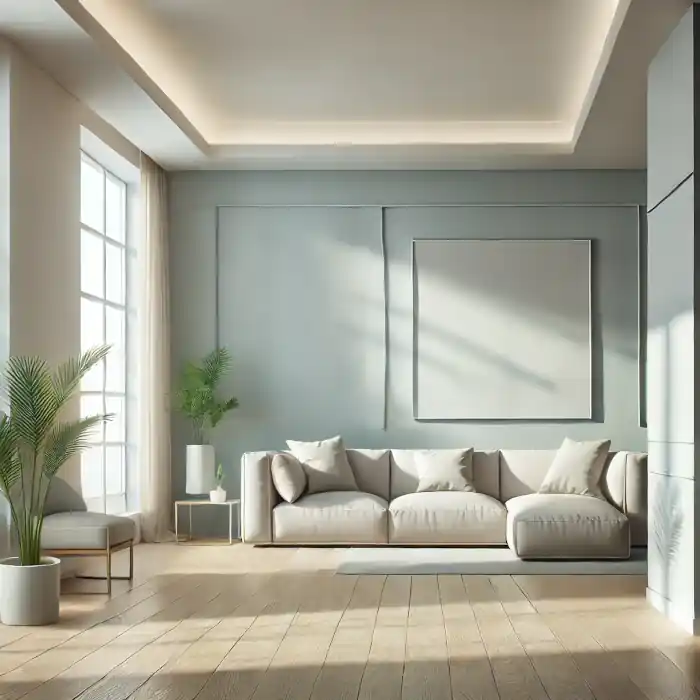
Temperature fluctuations can be just as critical as humidity. Paint formulations are designed to perform within certain temperature ranges, and deviating from these can result in subpar finishes.
1. Cold Temperatures
- Thicker Consistency: Paint becomes thicker in colder weather, making it harder to apply smoothly. This can lead to uneven coverage and visible brush strokes.
- Extended Drying Times: Like high humidity, cold weather slows evaporation, causing the paint to stay wet longer. This increases the risk of dust and debris sticking to the wet surface.
- Poor Adhesion: Paint may not adhere properly to cold surfaces, leading to peeling or cracking. This is particularly problematic for exterior projects during fall and winter.
2. Hot Temperatures
- Quick Drying: Paint can dry too quickly in high heat, causing visible brush marks and uneven coverage. Rapid drying can also prevent the paint from leveling out properly, leading to a rough texture.
- Surface Temperature Issues: Surfaces in direct sunlight can get much hotter than the air. This can cause blistering and drying too soon. This is especially true for metal or dark-colored surfaces.
Ideal Temperature Ranges for Painting
- Latex Paint: Best applied between 50°F and 85°F. This range ensures the paint flows smoothly and adheres well to the surface.
- Oil-Based Paint: Performs well between 40°F and 90°F. Oil-based paints are generally more forgiving in cooler temperatures but can still be affected by extreme heat.
It’s important to think about both air temperature and surface temperature. Materials like metal and wood hold heat or cold in different ways.
The Combined Impact of Humidity and Temperature
Humidity and temperature often interact in complex ways, making it important to assess both before starting your project. For example:
- High Humidity + High Temperature: This mix can make paint stay sticky for a long time. This increases the chance of dirt and debris sticking to the surface. It can also lead to blistering and uneven finishes.
- Low Humidity + High Temperature: Paint may dry too quickly, leading to cracking or an uneven finish. This is a common issue during hot, dry summers.
- Cold + Humid Conditions: Both factors slow down drying, potentially causing issues with adhesion and longevity. This is particularly problematic for exterior projects in late fall or early spring.
Tips for Painting in Varying Weather Conditions
1. Plan Around the Weather
Check weather forecasts to choose days with moderate temperatures and low humidity. Avoid painting on extremely hot, cold, or humid days.
2. Time Your Painting
For outdoor projects, try to paint in the late morning or early afternoon. This is when temperatures are stable, and surfaces have dried from the morning dew. Avoid painting in direct sunlight or late in the evening when temperatures drop.
3. Control Indoor Conditions
Use dehumidifiers, air conditioners, or heaters to regulate indoor environments when painting inside. Ensure proper ventilation to prevent moisture buildup.
4. Choose the Right Paint
Some paints are formulated for specific weather conditions—look for products labeled as “all-weather” or “quick-dry.”
5. Avoid Direct Sunlight
When painting exteriors, try to work in shaded areas to prevent the surface from overheating. Use tarps or temporary shades if necessary.
6. Prepare the Surface Properly
Clean and dry surfaces thoroughly before painting. Remove any mildew, dirt, or old paint that could affect adhesion.
7. Use Additives
In extreme conditions, consider using paint additives that slow down or speed up drying times, depending on your needs.
Common Problems Caused by Poor Paint Drying Conditions
- Blistering: Caused by moisture trapped beneath the paint surface. This often occurs when painting over damp surfaces or during high humidity.
- Cracking and Flaking: Often a result of rapid drying in hot, dry conditions. This can also occur if the paint is applied too thickly.
- Efflorescence: A chalky white residue caused by moisture pushing salts to the surface, common in humid climates. Proper surface preparation can help prevent this.
- Sagging: Paint that runs or sags due to overly thick application in humid or cold conditions. Using the right technique and tools can help achieve a smooth finish.
- Chalking: A powdery layer that appears on the paint’s surface. This often happens because of harsh weather over time.
The Importance of Professional Guidance
While understanding how humidity and temperature affect painting is essential, sometimes it’s best to leave it to the professionals. Experienced painters have the tools and knowledge to ensure your painting project is completed under optimal conditions. They monitor weather forecasts, use specialized equipment, and select the best materials to support a smooth finish.
Final Thoughts
Achieving a smooth, solid finish requires more than just high-quality paint and good technique. Paying attention to factors like humidity and temperature can make a big difference. It can turn a job into a professional-looking one or one with many problems. By knowing how weather affects painting, you can plan your project for the best results. This will help your home’s new look last longer.
Views Expressed Disclaimer
The views, opinions, and information presented in this article are for informational purposes only and do not necessarily reflect the official policies or positions of Crocker Home Painting Company. While every effort has been made to ensure accuracy, Crocker Home Painting Company is not liable for any errors, omissions, or decisions made based on the content provided. Readers are encouraged to consult professionals for specific advice or assistance related to their unique circumstances.