

Get your free painting estimate
Fill out the form and we will reach out with your free estimate.
No pressure, no obligation. Free quotes. Privacy Policy & Terms
Crocker Home Painting Company – Privacy Policy and Terms of Service
Effective Date: 1/1/2025
Welcome to Crocker Home Painting Company (“we,” “our,” or “us”). Your privacy and trust are important to us. This page outlines our Privacy Policy and Terms of Service. By using this website, you agree to the terms and policies outlined below.
1. Privacy Policy
1.1 Information We Collect
Personal Information: We collect your name, email address, phone number, and other details when you submit contact forms, request estimates, or sign up for newsletters.Non-Personal Information: We automatically collect data such as your IP address, browser type, and pages visited through cookies and analytics tools.
1.2 How We Use Your Information
We may use your information to:
– Provide painting services and respond to your inquiries
– Schedule consultations and send service updates
– Send newsletters, promotions, or updates (with your consent)
– Analyze website traffic and improve user experience
– Ensure security and prevent fraudulent activity
1.3 Use of Cookies and Tracking Technologies
We use cookies to enhance your experience. Cookies help us understand how visitors interact with our website. You can manage cookie settings in your browser. Disabling cookies may affect certain site features.
1.4 Third-Party Services
We may use third-party services such as Google Analytics to monitor website performance. Third-party links may direct you to external websites with their own privacy practices.
1.5 Data Security
We use industry-standard security measures to protect your personal information. However, no method of transmission over the Internet is completely secure, and you provide your information at your own risk.
1.6 Your Privacy Rights
You may:
– Request access to or deletion of your personal data
– Opt-out of receiving promotional emails via the “unsubscribe” link
– Manage cookies through your browser settings
⚖️ 3. Terms of Service
3.1 Acceptance of Terms
By accessing and using the Crocker Home Painting Company website (the “Website”), you agree to these Terms of Service. If you do not agree, please do not use the website.
3.2 Use of the Website
– You may use the website for lawful purposes only.
– You agree not to use the site in any way that could damage it or impair other users’ experiences.
– We reserve the right to terminate access for users who violate these terms.
3.3 Intellectual Property
All content on this website, including text, images, logos, and designs, is the property of Crocker Home Painting Company and protected by copyright laws.You may not copy, reproduce, or distribute any content without written permission.
3.4 Disclaimer of Warranties
The content on this website is provided “as is” without warranties of any kind.We do not guarantee that the site will be error-free or continuously available.
3.5 Limitation of Liability
To the fullest extent permitted by law, Crocker Home Painting Company will not be liable for any damages arising from your use of the site, including direct, indirect, or incidental damages.
3.6 Changes to These Terms
We may update these Terms of Service from time to time. Changes will be posted on this page with an updated effective date. Your continued use of the website indicates acceptance of the new terms.
📞 4. Contact UsIf you have any questions regarding our Privacy Policy or Terms of Service, please contact us:📧 Email: Contact Page
* Price estimate is for standard grade Paint/Stain other materials only. 1* Each project is unique, and overall complexity can vary. Power washing, scraping, surface preparation, and any necessary repairs will be evaluated individually for each job. Pricing shown is for general guidance only and does not represent a final quote. Any accepted quote will be in writing and signed by Customer and Crocker Home Painting Company. Actual costs can vary significantly based on numerous factors, including the type and condition of surfaces, the age of the home, previous coatings, extent of wear and tear, amount of prep work required, color changes, number of coats, material selections, accessibility, and overall project complexity. Additional considerations such as surrounding terrain, landscaping, slope, and ease of access to different areas of the property can also influence pricing. Photos and details provided by the customer help us offer a more accurate estimate, but pricing may change if additional conditions or requirements are identified during project planning. All examples, ranges, and descriptions are illustrative and subject to adjustment based on the specific circumstances of each individual project. 1* Customer will approve in writing any and all services performed by Crocker Home Painting Company. and approve of the type and specific color of any paint, stain or any other coating.
As an Amazon Associate, I earn from qualifying purchases. Privacy Policy / Terms
Painting stucco, brick, and concrete walls can refresh your home’s look while enhancing its performance. Exterior painting not only boosts curb appeal but also protects these surfaces from the weather. However, these materials require specific preparation and techniques to ensure the paint adheres properly and lasts for years. Here’s a comprehensive guide on how to paint stucco, brick, and concrete walls.
1. Understanding the Materials
Before diving into the painting process, it’s essential to understand the characteristics of each surface:
1.1 Stucco
A textured surface made from cement, sand, and lime, stucco can develop cracks over time and may absorb moisture if not sealed properly. It’s popular for its performance and distinctive appearance but requires careful preparation before painting.
1.2 Brick
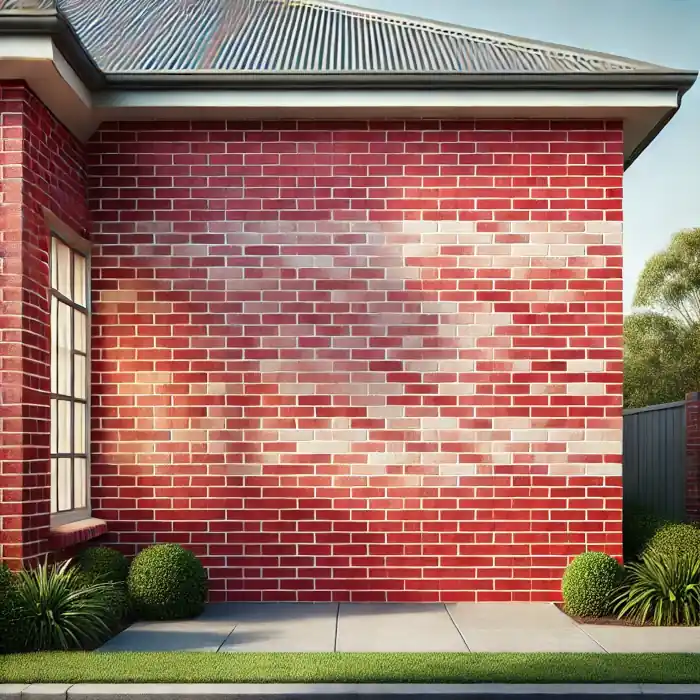
Brick is porous and often uneven, making it challenging to paint, especially if it’s old or previously painted. The texture of brick can absorb moisture, which may lead to paint peeling if not properly sealed and primed.
1.3 Concrete
Concrete surfaces, whether they are smooth or rough, can have moisture problems. They can be hard to paint without the right preparation. New concrete needs time to cure before painting to avoid issues with adhesion.
2. Tools and Materials Needed
To achieve the best results, gather the following tools and materials before starting your project:
- Power washer or garden hose with a scrub brush
- Mild detergent or trisodium phosphate (TSP)
- Masonry primer
- Exterior-grade paint (acrylic latex is ideal)
- Elastomeric paint for added performance
- Paint rollers with thick nap or sprayers
- Paintbrushes for detail work
- Caulk or masonry filler
- Painter’s tape and drop cloths
- Safety gear: gloves, goggles, and masks
- Wire brush or paint scraper
- Masonry sealer (if needed)
- Ladder or scaffolding for higher walls
3. Surface Preparation
Proper preparation is key to a reliable paint job. Skipping steps in this process can lead to peeling, cracking, or moisture problems down the line.
3.1 Cleaning the Surface
Clean dirt, grime, mildew, and white powdery deposits using a power washer or a scrub brush. Use a mild detergent solution. For stubborn stains, use trisodium phosphate (TSP). Allow the surface to dry completely—this may take 24-48 hours depending on the weather and humidity levels.
3.2 Repairing Damages
Inspect the walls for cracks, holes, or damaged areas. Use a masonry filler or caulk to seal small cracks. For larger cracks in stucco, apply a patching compound designed for stucco surfaces. Let repairs cure fully before painting to avoid future cracking or peeling.
3.3 Removing Loose Paint
If the surface has old, peeling paint, scrape it off with a wire brush or paint scraper. Sand down rough edges to create a smooth surface. This step is crucial for ensuring a uniform finish.
3.4 Sealing the Surface
For materials like brick and concrete, using a masonry sealer can stop moisture problems. It also helps paint stick better. This is especially important in areas prone to heavy rain or humidity.
4. Priming the Surface
Priming is essential, especially for porous materials, to create a uniform base and improve paint adhesion.
4.1 Priming Stucco
Use an acrylic masonry primer to seal the surface and create a uniform base. This helps in covering the textured surface evenly and prevents moisture from seeping through.
4.2 Priming Brick
Apply a latex masonry primer. For previously painted brick, ensure the primer is compatible with the existing paint. This step is crucial for preventing peeling and ensuring reliable results.
4.3 Priming Concrete
Use a concrete bonding primer, especially if the surface is smooth or new. This type of primer enhances the adhesion of the paint to the concrete, preventing flaking and peeling.
Allow the primer to dry completely according to the manufacturer’s instructions before proceeding to the next step.
5. Choosing the Right Paint

Selecting the right type of paint ensures performance and aesthetic appeal.
5.1 Acrylic Latex Paint
Ideal for exterior surfaces, it offers excellent adhesion, flexibility, and resistance to weather conditions. It’s easy to apply and dries quickly, making it a popular choice for DIY projects.
5.2 Elastomeric Paint
Provides a thick, flexible coating that can bridge small cracks and resist moisture, making it ideal for stucco and concrete. This type of paint is highly solid and can expand and contract with the surface.
5.3 Masonry Paint
Specifically formulated for brick and concrete, this paint offers breathability and performance. It helps in preventing moisture buildup and is resistant to mold and mildew.
6. Painting Techniques
6.1 Painting Stucco
Use a thick-nap roller or sprayer to cover the textured surface evenly. Back-roll with a roller to ensure the paint gets into all crevices. Apply at least two coats for full coverage, allowing each coat to dry thoroughly. For intricate areas, use a brush to ensure even coverage.
6.2 Painting Brick
Start by cutting in edges and mortar lines with a brush, then use a roller or sprayer for the larger areas. Apply two coats, allowing sufficient drying time between layers. Pay special attention to the mortar lines to ensure they are fully covered.
6.3 Painting Concrete
For smooth concrete, a roller works well; for textured surfaces, a sprayer may be more effective. Apply at least two coats, ensuring each layer dries completely before applying the next. Use a brush for edges and hard-to-reach areas.
7. Drying and Curing
Allow the final coat of paint to dry according to the manufacturer’s instructions. Full curing can take up to a week, during which time the paint achieves maximum hardness and performance. Avoid exposing the freshly painted surface to heavy rain or extreme temperatures during this period.
8. Maintenance Tips
8.1 Regular Cleaning
Wash the painted surfaces annually to remove dirt and prevent mold or mildew growth. Use a mild detergent and a soft brush or cloth to avoid damaging the paint.
8.2 Inspect for Damage
Check for cracks or peeling paint periodically and touch up as needed. Early detection and repair can prevent more extensive damage and prolong the life of your paint job.
8.3 Repainting
Depending on exposure to the elements, repaint every 5-10 years to maintain a fresh appearance. High-traffic areas or surfaces exposed to harsh weather may require more frequent touch-ups.
9. Safety Considerations
- Always wear protective gear, including gloves, goggles, and masks.
- Ensure proper ventilation when using paints and primers.
- Be cautious when using ladders or scaffolding, and consider hiring a professional for high or hard-to-reach areas.
- Follow all manufacturer instructions and safety guidelines for the products you are using.
Conclusion
Painting stucco, brick, and concrete walls can transform the look of your home while protecting it from the elements. With the right preparation, materials, and techniques, you can achieve a professional-quality finish that lasts for years. If you want to refresh an old exterior or add color to a concrete wall, follow these steps. They will help make your project successful.
Views Expressed Disclaimer
The views, opinions, and information presented in this article are for informational purposes only and do not necessarily reflect the official policies or positions of Crocker Home Painting Company. While every effort has been made to ensure accuracy, Crocker Home Painting Company is not liable for any errors, omissions, or decisions made based on the content provided. Readers are encouraged to consult professionals for specific advice or assistance related to their unique circumstances.