

Crocker Home Painting Company – Privacy Policy and Terms of Service
Effective Date: 1/1/2025
Welcome to Crocker Home Painting Company (“we,” “our,” or “us”). Your privacy and trust are important to us. This page outlines our Privacy Policy and Terms of Service. By using this website, you agree to the terms and policies outlined below.
📌 1. Privacy Policy
1.1 Information We CollectPersonal Information: We collect your name, email address, phone number, and other details when you submit contact forms, request estimates, or sign up for newsletters.Non-Personal Information: We automatically collect data such as your IP address, browser type, and pages visited through cookies and analytics tools.
1.2 How We Use Your InformationWe may use your information to:
– Provide painting services and respond to your inquiries
– Schedule consultations and send service updates
– Send newsletters, promotions, or updates (with your consent)
– Analyze website traffic and improve user experience
– Ensure security and prevent fraudulent activity
1.3 Use of Cookies and Tracking TechnologiesWe use cookies to enhance your experience. Cookies help us understand how visitors interact with our website. You can manage cookie settings in your browser. Disabling cookies may affect certain site features.
1.4 Third-Party ServicesWe may use third-party services such as Google Analytics to monitor website performance. Third-party links may direct you to external websites with their own privacy practices.
1.5 Data SecurityWe use industry-standard security measures to protect your personal information. However, no method of transmission over the Internet is completely secure, and you provide your information at your own risk.
1.6 Your Privacy RightsYou may:
– Request access to or deletion of your personal data
– Opt-out of receiving promotional emails via the “unsubscribe” link
– Manage cookies through your browser settings
⚖️ 3. Terms of Service
3.1 Acceptance of TermsBy accessing and using the Crocker Home Painting Company website (the “Website”), you agree to these Terms of Service. If you do not agree, please do not use the website.
3.2 Use of the Website
– You may use the website for lawful purposes only.
– You agree not to use the site in any way that could damage it or impair other users’ experiences.
– We reserve the right to terminate access for users who violate these terms.
3.3 Intellectual PropertyAll content on this website, including text, images, logos, and designs, is the property of Crocker Home Painting Company and protected by copyright laws.You may not copy, reproduce, or distribute any content without written permission.
3.4 Disclaimer of WarrantiesThe content on this website is provided “as is” without warranties of any kind.We do not guarantee that the site will be error-free or continuously available.
3.5 Limitation of LiabilityTo the fullest extent permitted by law, Crocker Home Painting Company will not be liable for any damages arising from your use of the site, including direct, indirect, or incidental damages.
3.6 Changes to These TermsWe may update these Terms of Service from time to time. Changes will be posted on this page with an updated effective date. Your continued use of the website indicates acceptance of the new terms.
📞 4. Contact UsIf you have any questions regarding our Privacy Policy or Terms of Service, please contact us:📧 Email: Contact Page
* Price estimate is for standard grade Paint/Stain other materials only. 1* Each project is unique, and overall complexity can vary. Power washing, scraping, surface preparation, and any necessary repairs will be evaluated individually for each job. Pricing shown is for general guidance only and does not represent a final quote. Any accepted quote will be in writing and signed by Customer and Crocker Home Painting Company. Actual costs can vary significantly based on numerous factors, including the type and condition of surfaces, the age of the home, previous coatings, extent of wear and tear, amount of prep work required, color changes, number of coats, material selections, accessibility, and overall project complexity. Additional considerations such as surrounding terrain, landscaping, slope, and ease of access to different areas of the property can also influence pricing. Photos and details provided by the customer help us offer a more accurate estimate, but pricing may change if additional conditions or requirements are identified during project planning. All examples, ranges, and descriptions are illustrative and subject to adjustment based on the specific circumstances of each individual project. 1* Customer will approve in writing any and all services performed by Crocker Home Painting Company. and approve of the type and specific color of any paint, stain or any other coating.
As an Amazon Associate, I earn from qualifying purchases. Privacy Policy / Terms
Cleveland winters are tough on homes. Months of freezing temperatures, ice, snow, and salt spray can leave your exterior painting cracked, peeling, and faded. As the weather warms up, spring is an ideal time to inspect your home and take action before small issues become expensive repairs.
At Crocker Home Painting Company, we help homeowners across Northeast Ohio get their homes looking fresh and protected every spring. Here is our spring painting checklist for Cleveland homeowners to guide you through the process.
1. Walk the Perimeter and Inspect Your Exterior
Before you pick up a brush or call a pro, take a walk around your property. Look for signs of winter damage such as paint that is bubbling, peeling, or flaking off your siding, trim, or window frames. Check for cracks in caulking around doors and windows, discoloration or mildew on shaded walls, wood rot repair on trim boards, fascia, or soffits, and stains from ice dams or gutter overflows. Catching these issues early prevents moisture from seeping into your walls and causing structural damage. A quick spring walkthrough can help you avoid costly repairs down the road.
2. Power Wash Before You Paint
After a long Cleveland winter, your home’s exterior is likely covered in a layer of grime, dirt, pollen, and possibly mildew. Painting over a dirty surface is one of the most common mistakes homeowners make. New paint may not bond properly and can start peeling sooner than expected. A thorough power wash removes built-up debris and creates a clean surface that paint can grip. It can be helpful to pay extra attention to the north-facing sides of your home where moisture and mildew tend to accumulate. At Crocker Home Painting Company, pressure washing is typically part of our exterior prep process because we know it can help the finished result last longer.
Let Us Handle the Wash
3. Scrape, Sand, and Repair Damaged Surfaces
Once your surfaces are clean, you can start addressing any damage as needed. Scrape away loose or peeling paint with a putty knife or paint scraper. Sand rough edges so the transition between bare wood and existing paint is as even as possible. Fill any holes, cracks, or gouges with exterior-grade wood filler and let it cure before sanding it down. If you find rotted wood on trim boards or fascia, those sections may need to be replaced as needed before any paint goes on. Proper surface preparation is one of the biggest factors in how long a paint job can hold up.
4. Prime Bare Wood and Repaired Areas
Any area where bare wood is exposed typically benefits from a coat of primer before paint is applied. Primer is designed to help seal the wood, reduce stain bleed-through, and give your topcoat something to adhere to. This can be especially helpful in Cleveland’s climate, where humidity and temperature swings put extra stress on exterior finishes. Choose a high-quality exterior primer designed for the material you are working with, whether it is wood, composite, or previously painted surfaces. Applying primer to patched and repaired areas also helps them blend more naturally with the rest of your siding or trim.
5. Do Not Forget Your Deck
Your deck takes a beating during Ohio winters. Snow, ice melt, and constant moisture can cause the stain or sealant to wear thin, leaving the wood vulnerable to splintering, warping, and gray discoloration. Spring is the ideal time to assess whether your deck could benefit from a fresh coat of stain or a full refinishing. Look for areas where water no longer beads on the surface, as that is a sign the protective finish has worn away. A professional deck refinishing can help refresh the appearance, offer added protection from UV damage and moisture, and help get your outdoor space closer to ready for backyard entertaining season. If you notice soft spots or structural damage, you may also need deck repair before staining. It is one of the most rewarding spring home projects because the results can often be seen and enjoyed right away.
6. Choose the Right Paint for Northeast Ohio Weather
Not all paint is created equal, and in a climate like Cleveland’s, the quality of your paint matters as much as the quality of your preparation. Look for 100 percent acrylic latex exterior paints, which are known for better flexibility and improved resistance to cracking in temperature extremes. Premium paints from trusted brands also contain better pigments that can help resist fading from UV exposure. Going with a cheaper option might save money upfront, but it often means repainting sooner. If you are unsure about the differences between DIY and professional painting, working with experienced contractors helps make sure the right products are used from the start. Our team at Crocker Home Painting Company uses only high-quality, weather-resistant products because we want our exterior painting work to stand up to everything Northeast Ohio throws at it.
7. Refresh Your Curb Appeal with Updated Colors
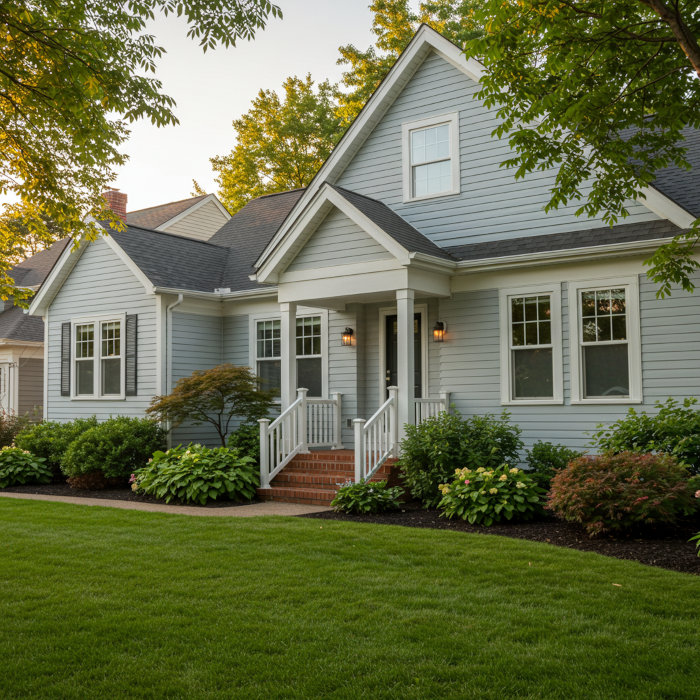
Spring is not just about maintenance. It is also a great opportunity to update your home’s look. A new front door color, refreshed shutters, or a modern palette for your siding can dramatically boost your curb appeal. Earthy greens, warm whites, and rich navy tones are popular choices this year that pair beautifully with the natural landscape of Northeast Ohio neighborhoods. Check out the latest 2026 color trends for more inspiration. If you are thinking about selling your home, a fresh exterior paint job is often considered one of the best return-on-investment improvements you can make. Even if you are staying put, there is nothing quite like pulling into your driveway and loving the way your home looks.
8. Why Spring Is the Best Time to Schedule Your Painting Project
Timing matters when it comes to exterior painting. Most exterior paints need temperatures above 50 degrees Fahrenheit and low humidity to cure properly. In Cleveland, that sweet spot typically begins in mid to late April and runs through the fall. By scheduling your project in spring, you get ahead of the busy summer season when painting contractors are often booked out for weeks. You also give your home added protection from the elements for the hottest and most UV-intense months of the year. Early planning means better availability, more flexibility with scheduling, and a home that is better prepared before summer storms roll in.
People Also Ask: Spring Painting in Cleveland
When is the best time to paint the exterior of a house in Ohio?
The ideal window for exterior painting in Ohio runs from late April through October, when temperatures consistently stay above 50 degrees Fahrenheit and humidity levels are manageable. Spring is especially popular because it allows your home to be better protected before the intense summer sun and storms arrive. Scheduling early also means better availability with local painting contractors.
How do I know if my house needs to be repainted?
Common signs your home needs repainting include peeling, cracking, bubbling, or fading paint, as well as visible wood rot, chalky residue when you touch the surface, and mildew or discoloration on shaded walls. If your last exterior paint job is more than seven to ten years old, it is a good idea to schedule an inspection.
Should I power wash my house before painting?
Yes, power washing is one of the most important preparation steps before painting. It removes dirt, mildew, pollen, and loose paint so the new coat can bond properly. Skipping this step is one of the top reasons paint fails prematurely. A professional painting company like Crocker Home Painting typically includes pressure washing as part of the exterior prep process.
How much does it cost to paint the exterior of a house in Cleveland?
The cost of exterior house painting in Cleveland depends on factors like the size of your home, the condition of existing surfaces, the type of paint used, and how much prep work is needed. For an accurate quote tailored to your home, request a free estimate from Crocker Home Painting Company.
Can I paint over old paint without scraping?
You can paint over old paint if it is still firmly adhered, not peeling, and in overall good condition. However, any loose, flaking, or bubbling paint should generally be scraped and sanded as needed. Painting over damaged surfaces can lead to the new coat not holding up well. Proper prep work is one of the key factors in how long a paint job can last.
Do I need to prime before repainting the exterior?
Primer is generally recommended as needed when bare wood, repaired surfaces, or raw patches are exposed. It can help the topcoat adhere better, reduce stain bleed-through, and promote more consistent color coverage. If you are painting over a surface that is in good shape and similar in color, you may be able to skip primer on those areas, but it is generally a good idea as needed on repaired siding and trim.
Ready to Get Started? Let Crocker Home Painting Company Handle the Hard Work
Whether you need a full exterior repaint, deck staining services, or just some touch-up work after winter, Crocker Home Painting Company is here to help. We pay close attention to the details, from thorough surface preparation to the final brushstroke, so you can enjoy a well-maintained home without the stress. Our team proudly serves Cleveland and communities throughout Northeast Ohio with the kind of meticulous care and honest communication that our customers have recognized in their reviews.
Spring fills up fast, so do not wait until the last minute. Contact Crocker Home Painting Company today for your free estimate and let us help you make this the year your home looks its best.
Views Expressed DisclaimerThe views, opinions, and information presented in this article are for informational purposes only and do not necessarily reflect the official policies or positions of Crocker Home Painting Company. While every effort has been made to ensure accuracy, Crocker Home Painting Company is not liable for any errors, omissions, or decisions made based on the content provided. Readers are encouraged to consult professionals for specific advice or assistance related to their unique circumstances.