

Crocker Home Painting Company – Privacy Policy and Terms of Service
Effective Date: 1/1/2025
Welcome to Crocker Home Painting Company (“we,” “our,” or “us”). Your privacy and trust are important to us. This page outlines our Privacy Policy and Terms of Service. By using this website, you agree to the terms and policies outlined below.
📌 1. Privacy Policy
1.1 Information We CollectPersonal Information: We collect your name, email address, phone number, and other details when you submit contact forms, request estimates, or sign up for newsletters.Non-Personal Information: We automatically collect data such as your IP address, browser type, and pages visited through cookies and analytics tools.
1.2 How We Use Your InformationWe may use your information to:
– Provide painting services and respond to your inquiries
– Schedule consultations and send service updates
– Send newsletters, promotions, or updates (with your consent)
– Analyze website traffic and improve user experience
– Ensure security and prevent fraudulent activity
1.3 Use of Cookies and Tracking TechnologiesWe use cookies to enhance your experience. Cookies help us understand how visitors interact with our website. You can manage cookie settings in your browser. Disabling cookies may affect certain site features.
1.4 Third-Party ServicesWe may use third-party services such as Google Analytics to monitor website performance. Third-party links may direct you to external websites with their own privacy practices.
1.5 Data SecurityWe use industry-standard security measures to protect your personal information. However, no method of transmission over the Internet is completely secure, and you provide your information at your own risk.
1.6 Your Privacy RightsYou may:
– Request access to or deletion of your personal data
– Opt-out of receiving promotional emails via the “unsubscribe” link
– Manage cookies through your browser settings
⚖️ 3. Terms of Service
3.1 Acceptance of TermsBy accessing and using the Crocker Home Painting Company website (the “Website”), you agree to these Terms of Service. If you do not agree, please do not use the website.
3.2 Use of the Website
– You may use the website for lawful purposes only.
– You agree not to use the site in any way that could damage it or impair other users’ experiences.
– We reserve the right to terminate access for users who violate these terms.
3.3 Intellectual PropertyAll content on this website, including text, images, logos, and designs, is the property of Crocker Home Painting Company and protected by copyright laws.You may not copy, reproduce, or distribute any content without written permission.
3.4 Disclaimer of WarrantiesThe content on this website is provided “as is” without warranties of any kind.We do not guarantee that the site will be error-free or continuously available.
3.5 Limitation of LiabilityTo the fullest extent permitted by law, Crocker Home Painting Company will not be liable for any damages arising from your use of the site, including direct, indirect, or incidental damages.
3.6 Changes to These TermsWe may update these Terms of Service from time to time. Changes will be posted on this page with an updated effective date. Your continued use of the website indicates acceptance of the new terms.
📞 4. Contact UsIf you have any questions regarding our Privacy Policy or Terms of Service, please contact us:📧 Email: Contact Page
* Price estimate is for standard grade Paint/Stain other materials only. 1* Each project is unique, and overall complexity can vary. Power washing, scraping, surface preparation, and any necessary repairs will be evaluated individually for each job. Pricing shown is for general guidance only and does not represent a final quote. Any accepted quote will be in writing and signed by Customer and Crocker Home Painting Company. Actual costs can vary significantly based on numerous factors, including the type and condition of surfaces, the age of the home, previous coatings, extent of wear and tear, amount of prep work required, color changes, number of coats, material selections, accessibility, and overall project complexity. Additional considerations such as surrounding terrain, landscaping, slope, and ease of access to different areas of the property can also influence pricing. Photos and details provided by the customer help us offer a more accurate estimate, but pricing may change if additional conditions or requirements are identified during project planning. All examples, ranges, and descriptions are illustrative and subject to adjustment based on the specific circumstances of each individual project. 1* Customer will approve in writing any and all services performed by Crocker Home Painting Company. and approve of the type and specific color of any paint, stain or any other coating.
As an Amazon Associate, I earn from qualifying purchases. Privacy Policy / Terms
There’s something magical about a freshly painted room. The colors are crisp, the finish looks rich, and the whole space feels renewed. But if you’ve ever grabbed a roller and a brush thinking it would be simple, only to end up with streaks, drips, and uneven patches, you know that painting is an art as much as a skill. Getting a truly professional finish isn’t about being lucky with a paintbrush; it’s about knowing the right techniques and mastering the little things that most people overlook.
Today, let’s dive into some of the advanced tricks of the trade that can make your next painting project not just good, but exceptional.
It All Starts Before the Paint Even Touches the Wall
The first secret that every professional knows is that the real magic happens before you ever dip a brush into paint. You might think you’re ready to get started once you’ve picked out your colors, but slow down, the prep work is where your future success is built.
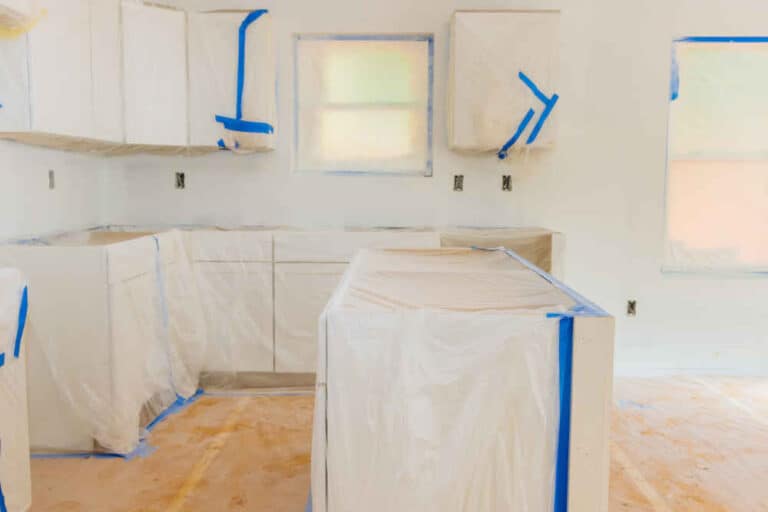
Surface preparation is the quiet hero of a beautiful paint job. Walls that seem “good enough” often hide small imperfections. Tiny cracks, dents, or even a bit of uneven texture can show through your final coat like a spotlight on everything you wish you hadn’t skipped. That’s why pros spend so much time patching, sanding, cleaning, and priming.
Even your primer choice matters. High-quality primers create a uniform surface that grabs onto the paint evenly, making your color truer and your finish smoother. It’s not glamorous work, but it’s the foundation of every professional-looking project.
The Art of Choosing the Right Tools
It’s tempting to pick up the cheapest roller and brush at the store, thinking they’re all basically the same. But ask any seasoned painter, and they’ll tell you: good tools are half the battle.
A professional-grade brush holds more paint, applies it more evenly, and leaves fewer brush strokes behind. Different types of brushes are built for different paints and finishes, too. A synthetic brush handles latex paints beautifully, while natural bristles are ideal for oil-based paints.
And rollers? The thickness of the roller cover (the “nap”) should match your surface. Smooth walls need short nap rollers, while textured surfaces like stucco or brick require a thicker nap to reach into every nook and cranny. Picking the right roller is a small decision that makes a huge difference in how your paint lays down.
Techniques that Separate Amateurs from Artists
Once you’ve got your surface ready and your tools in hand, the actual painting technique becomes the star of the show. A professional finish isn’t just about slapping on coats; it’s about how you apply them.
One hallmark of a polished paint job is even coverage. Professionals use something called the “W” or “M” technique when rolling walls. Instead of starting at the top and rolling straight down, they create a zigzag pattern to distribute the paint, then fill it in without lifting the roller off the wall too much. It might sound fussy, but it prevents visible roller marks and ensures an even coat that dries beautifully.
Cutting in painting the edges around ceilings, trim, and corners is another skill that demands a light touch. Pros often ditch painter’s tape altogether, relying on a steady hand and a quality angled brush to make sharp lines freehand. If you take your time and keep your brush at the right angle, you’ll find it’s surprisingly satisfying to glide along the edges with smooth precision.
Another subtle but powerful technique is maintaining a “wet edge.” This simply means working quickly enough that you’re always brushing or rolling into wet paint, not dried edges. Doing this avoids the telltale ridges and streaks that happen when partially dried paint overlaps new paint. It’s a simple principle, but mastering it transforms your results.
Layering and Patience: The Unsung Heroes
If there’s one virtue a professional painter possesses, it’s patience. Rushing a paint job is the fastest way to end up disappointed.
Rather than laying on one heavy coat and hoping for the best, professionals know that multiple thin coats build up a stronger, more solid, and better-looking finish. Yes, it takes longer — but it’s worth it. Each coat has a chance to dry properly, curing into a smooth, resilient surface that resists chipping and wear over time.
Dry times printed on the paint can aren’t suggestions; they’re crucial. Ignoring them can cause everything from poor adhesion to weird textures, even if it looks dry to the touch. Professionals give each layer the time it needs, even if it’s inconvenient.
Fine Details That Set the Pros Apart
Once the big areas are done, it’s the attention to fine detail that separates a good job from a jaw-dropping one. Tiny touch-ups around light switches, ideal coverage around baseboards, and extra-smooth finishes on trim all contribute to a polished, professional look.
Pros also aren’t afraid to lightly sand between coats — especially on doors, cabinets, and trim. It’s a small effort that makes surfaces feel silky smooth instead of rough or gritty. They know that a fine sanding sponge and a soft hand can erase minor bumps and create a smooth final result.
And believe it or not, the environment matters too. Professionals pay attention to temperature and humidity, because paint behaves differently depending on the weather. Too hot, and the paint can dry too fast, leading to lap marks. Too humid, and paint can sag or take forever to cure. A little planning around the weather forecast can mean the difference between a mediocre and an exceptional outcome.
Confidence Comes with Experience (And a Few Mistakes)
The truth is, even the best painters didn’t start out painting like pros. They made the same mistakes everyone else makes — drips, splatters, uneven coverage. But they learned, adapted, and got better with every project.
One of the biggest lessons? Respect the process. Every stage, from prepping the surface to cleaning the brushes afterward, matters. Rushing through, cutting corners, or thinking “good enough” always shows up later, sometimes immediately, or months down the road, when the paint starts peeling or cracking.
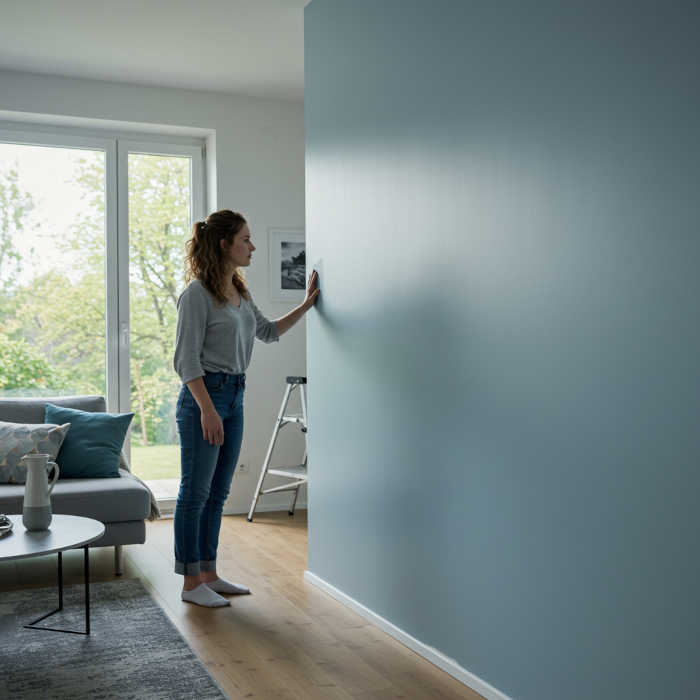
Painting can feel tedious in the moment, but when you step back and see the finished room — smooth, rich, even, and full of life — it’s hard not to feel proud. That’s the magic of taking the time to do it right.
Painting Like a Pro Is Within Reach
At the end of the day, professional-quality painting isn’t about being born with a special talent. It’s about knowing the techniques that work, using the right tools, and having the patience to go through every step the right way.
When you put in the extra effort — from proper prep to mindful application to patient layering — you create more than just a paint job. You create a transformation that feels effortless, looks incredible, and lasts for years to come.
So next time you pick up a roller or a brush, slow down a little. Respect the details. And remember: the difference between a “just okay” room and a “wow, who did this?” room isn’t luck — it’s technique.
And now, you’ve got it.
Views Expressed DisclaimerThe views, opinions, and information presented in this article are for informational purposes only and do not necessarily reflect the official policies or positions of Crocker Home Painting Company. While every effort has been made to ensure accuracy, Crocker Home Painting Company is not liable for any errors, omissions, or decisions made based on the content provided. Readers are encouraged to consult professionals for specific advice or assistance related to their unique circumstances.