

Get your free painting estimate
Fill out the form and we will reach out with your free estimate.
No pressure, no obligation. Free quotes. Privacy Policy & Terms
Crocker Home Painting Company – Privacy Policy and Terms of Service
Effective Date: 1/1/2025
Welcome to Crocker Home Painting Company (“we,” “our,” or “us”). Your privacy and trust are important to us. This page outlines our Privacy Policy and Terms of Service. By using this website, you agree to the terms and policies outlined below.
1. Privacy Policy
1.1 Information We Collect
Personal Information: We collect your name, email address, phone number, and other details when you submit contact forms, request estimates, or sign up for newsletters.Non-Personal Information: We automatically collect data such as your IP address, browser type, and pages visited through cookies and analytics tools.
1.2 How We Use Your Information
We may use your information to:
– Provide painting services and respond to your inquiries
– Schedule consultations and send service updates
– Send newsletters, promotions, or updates (with your consent)
– Analyze website traffic and improve user experience
– Ensure security and prevent fraudulent activity
1.3 Use of Cookies and Tracking Technologies
We use cookies to enhance your experience. Cookies help us understand how visitors interact with our website. You can manage cookie settings in your browser. Disabling cookies may affect certain site features.
1.4 Third-Party Services
We may use third-party services such as Google Analytics to monitor website performance. Third-party links may direct you to external websites with their own privacy practices.
1.5 Data Security
We use industry-standard security measures to protect your personal information. However, no method of transmission over the Internet is completely secure, and you provide your information at your own risk.
1.6 Your Privacy Rights
You may:
– Request access to or deletion of your personal data
– Opt-out of receiving promotional emails via the “unsubscribe” link
– Manage cookies through your browser settings
⚖️ 3. Terms of Service
3.1 Acceptance of Terms
By accessing and using the Crocker Home Painting Company website (the “Website”), you agree to these Terms of Service. If you do not agree, please do not use the website.
3.2 Use of the Website
– You may use the website for lawful purposes only.
– You agree not to use the site in any way that could damage it or impair other users’ experiences.
– We reserve the right to terminate access for users who violate these terms.
3.3 Intellectual Property
All content on this website, including text, images, logos, and designs, is the property of Crocker Home Painting Company and protected by copyright laws.You may not copy, reproduce, or distribute any content without written permission.
3.4 Disclaimer of Warranties
The content on this website is provided “as is” without warranties of any kind.We do not guarantee that the site will be error-free or continuously available.
3.5 Limitation of Liability
To the fullest extent permitted by law, Crocker Home Painting Company will not be liable for any damages arising from your use of the site, including direct, indirect, or incidental damages.
3.6 Changes to These Terms
We may update these Terms of Service from time to time. Changes will be posted on this page with an updated effective date. Your continued use of the website indicates acceptance of the new terms.
📞 4. Contact UsIf you have any questions regarding our Privacy Policy or Terms of Service, please contact us:📧 Email: Contact Page
* Price estimate is for standard grade Paint/Stain other materials only. 1* Each project is unique, and overall complexity can vary. Power washing, scraping, surface preparation, and any necessary repairs will be evaluated individually for each job. Pricing shown is for general guidance only and does not represent a final quote. Any accepted quote will be in writing and signed by Customer and Crocker Home Painting Company. Actual costs can vary significantly based on numerous factors, including the type and condition of surfaces, the age of the home, previous coatings, extent of wear and tear, amount of prep work required, color changes, number of coats, material selections, accessibility, and overall project complexity. Additional considerations such as surrounding terrain, landscaping, slope, and ease of access to different areas of the property can also influence pricing. Photos and details provided by the customer help us offer a more accurate estimate, but pricing may change if additional conditions or requirements are identified during project planning. All examples, ranges, and descriptions are illustrative and subject to adjustment based on the specific circumstances of each individual project. 1* Customer will approve in writing any and all services performed by Crocker Home Painting Company. and approve of the type and specific color of any paint, stain or any other coating.
As an Amazon Associate, I earn from qualifying purchases. Privacy Policy / Terms
Maintaining painted walls is essential to preserve their fresh, vibrant look for years to come. Whether you’ve invested in professional painting services or completed a DIY project, proper care will extend the life of your paint job. In this guide, we’ll cover everything from cleaning techniques to touch-up methods, ensuring your walls remain spotless and beautiful.
Why Maintaining Painted Walls Matters
Painted walls can accumulate dust, stains, and scuffs over time. Without regular maintenance, their appearance can quickly degrade, making rooms feel dull and unkempt. Proper upkeep not only enhances the aesthetics of your home but also saves money by extending the life of your paint job.
1. Understanding Your Paint Finish
The type of paint finish on your walls determines how you should clean and maintain them. Different finishes have varying levels of performance and resistance to stains.
- Flat or Matte Finish: Soft, non-reflective appearance but prone to stains and difficult to clean. Best for low-traffic areas.
- Eggshell Finish: Slight sheen with better performance than flat finishes. Ideal for living rooms and bedrooms.
- Satin Finish: Soft, velvety look with good stain resistance. Suitable for kitchens, bathrooms, and hallways.
- Semi-Gloss Finish: Shiny, solid, and easy to clean. ideal for high-traffic areas and trim.
- Gloss Finish: Very shiny and solid but highlights imperfections. Commonly used for doors, trim, and cabinets.
2. Cleaning Painted Walls the Right Way
Gather Your Supplies:
- Soft sponge or microfiber cloth
- Mild dish soap
- Warm water
- White vinegar (for stubborn stains)
- Bucket
- Soft-bristled brush (for textured walls)
- Baking soda (for tough stains)
Routine Dusting (Monthly):
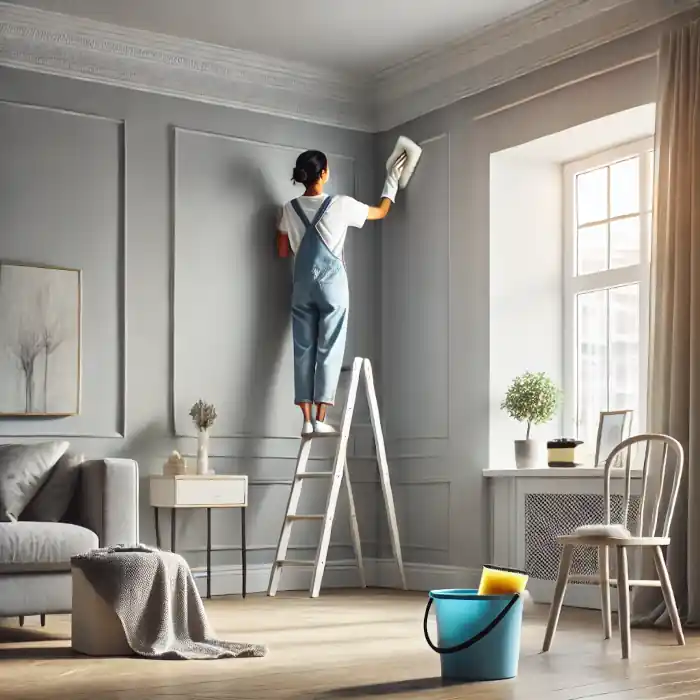
Dust accumulates quickly, dulling your wall’s color. Dust walls monthly using a microfiber duster or a vacuum with a brush attachment. Focus on corners, ceilings, and baseboards where cobwebs form.
Gentle Cleaning (Every 6 Months):
- Prepare a Cleaning Solution: Mix warm water with a few drops of mild dish soap. Avoid harsh chemicals or abrasive cleaners that can damage paint.
- Spot Test: Always test a small, inconspicuous area to ensure the cleaning solution won’t harm the paint.
- Wipe Gently: Use a soft sponge or microfiber cloth to clean in circular motions. Start from the top and work your way down to prevent streaking.
- Rinse and Dry: Wipe with a clean, damp cloth to remove soap residue, then dry with a soft towel to prevent watermarks.
Removing Stains from Painted Walls:
- Scuff Marks: Erase with a damp sponge or a magic eraser (use gently on matte finishes).
- Grease Stains: Use a mixture of warm water and vinegar. Dab the stain, rinse, and dry.
- Crayon Marks: Apply baking soda on a damp cloth and gently rub the affected area.
- Ink or Permanent Marker: Use rubbing alcohol on a cotton ball, but test on an inconspicuous area first.
3. Preventing Damage to Painted Walls
- Use Door Stoppers: Prevent handles from damaging walls.
- Install Wall Guards: Protect walls from furniture scratches.
- Keep Furniture Slightly Away from Walls: Reduces scuffs and prevents paint transfer.
- Avoid Excessive Moisture: Use exhaust fans in kitchens and bathrooms to prevent water stains or mold.
- Handle with Care: Be cautious when moving furniture or hanging décor.
4. Touching Up Paint Like a Pro
When to Touch Up Painted Walls:
- After removing stains that leave behind discoloration.
- When scuffs or scratches are too deep to clean.
- To cover up small holes or dents from picture frames.
- Annually, to maintain a fresh and even appearance.
Essential Supplies for Touch-Ups:
- Matching paint (use leftover paint from the original job or get a color match at a paint store)
- Small paintbrush or roller
- Painter’s tape
- Spackle and putty knife (for filling holes)
- Sandpaper (fine-grit)
- Clean cloth or tack cloth
Step-by-Step Touch-Up Process:
- Clean the Area: Wash the wall with mild soap and water, then let it dry completely.
- Fill Holes and Cracks: Use spackle to fill any imperfections. Smooth it with a putty knife and let it dry.
- Sand Smooth: Lightly sand the area to ensure a seamless surface. Wipe with a tack cloth to remove dust.
- Match the Paint: Shake or stir the leftover paint thoroughly. If you no longer have the original paint, get a professional color match.
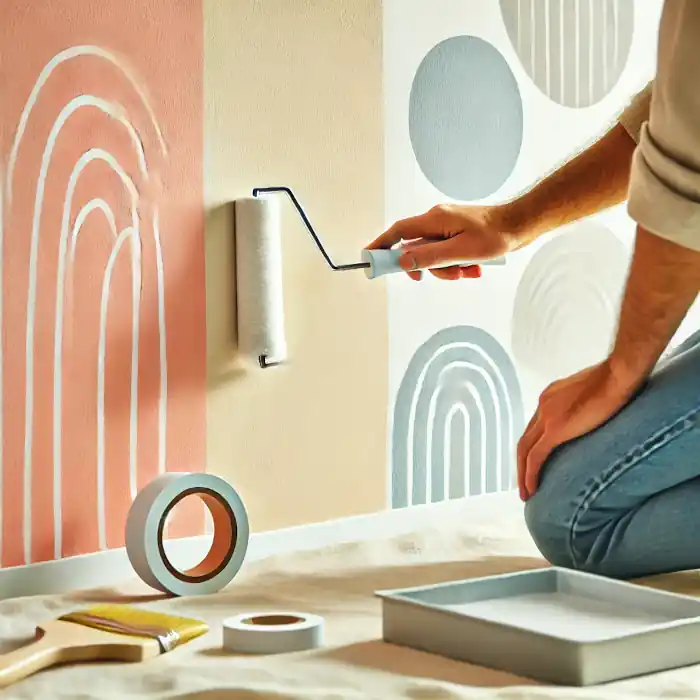
- Apply the Paint: Use a small brush or a mini roller. Feather the edges to blend the new paint with the old.
- Let it Dry: Allow the touch-up to dry completely. Assess if a second coat is necessary.
Pro Tip:
If your touch-up stands out, try repainting the entire wall or section up to a natural breakpoint, such as a corner or trim line.
5. Long-Term Maintenance Tips for Painted Walls
- Repaint High-Traffic Areas Regularly: Hallways, kitchens, and bathrooms may need repainting every 2–3 years.
- Use Washable Paint Finishes: In areas prone to stains, choose satin or semi-gloss paints for easier cleaning.
- Keep Extra Paint: Store it properly for future touch-ups, and label it with the room and date.
- Maintain Consistent Room Humidity: Prevents paint from cracking or peeling.
- Avoid Harsh Chemicals: Use mild cleaners to maintain the paint’s integrity.
6. Common Mistakes to Avoid When Cleaning and Touching Up Walls
- Using Abrasive Scrubbers: Can remove paint, especially on matte or flat finishes.
- Not Spot-Testing Cleaners: Risk of discoloring or damaging the paint.
- Skipping Surface Preparation: Causes touch-ups to stand out due to rough or uneven surfaces.
- Using the Wrong Paint Sheen: Even a slight difference in sheen can be noticeable.
- Rushing the Touch-Up Process: Not allowing adequate drying time between coats leads to streaks and uneven coverage.
7. When to Call a Professional Painter
While regular maintenance and minor touch-ups are manageable, consider hiring a professional if:
- The walls have severe damage, cracks, or peeling paint.
- You want a complete repaint or a color change.
- Matching the paint perfectly becomes a challenge.
- You have textured or specialty finishes requiring expert handling.
Conclusion
Properly maintaining painted walls through regular cleaning and timely touch-ups keeps your home looking pristine and inviting. By using the right techniques and materials for your paint finish, you can easily extend the life of your paint job and preserve its beauty. Follow these tips, and your walls will remain spotless and vibrant for years to come.
Views Expressed Disclaimer
The views, opinions, and information presented in this article are for informational purposes only and do not necessarily reflect the official policies or positions of Crocker Home Painting Company. While every effort has been made to ensure accuracy, Crocker Home Painting Company is not liable for any errors, omissions, or decisions made based on the content provided. Readers are encouraged to consult professionals for specific advice or assistance related to their unique circumstances.